
Nike's 11-Year Low Is a Brand Story, Not Just a Stock Story
What happens when the world's biggest sports brand loses the plot — and what every business can learn from it.
4/13/20262 min read
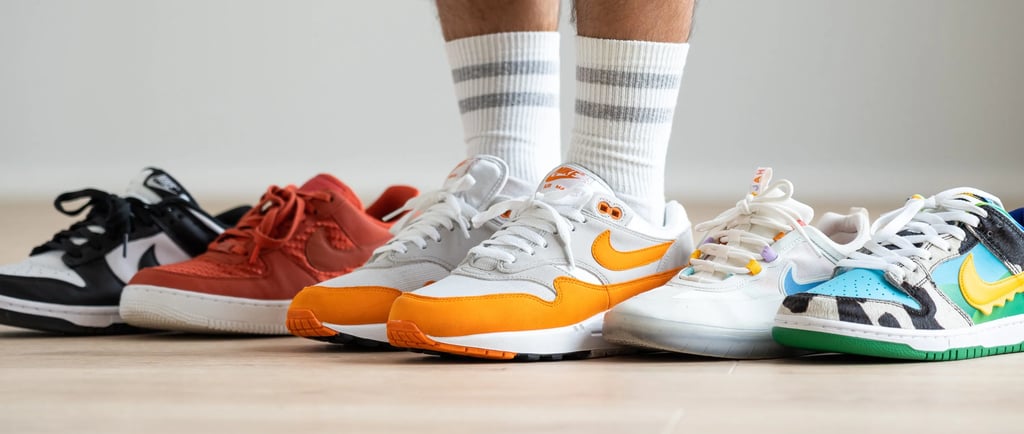
Nike's stock hit its lowest point since 2014 this month. The shares are down more than 65% from their 2021 peak. Three major banks downgraded the stock on the same morning. And the CEO reportedly told staff at an internal meeting that he was "so tired of talking about fixing this business."
That is not a good quarter. That is a company dealing with the compounding consequences of several years of bad strategic decisions.
Here is what happened, and why it matters well beyond Wall Street.
The DTC pivot that backfired
Under the previous CEO, Nike made one of the most consequential — and ultimately damaging — strategic bets in modern retail. The logic was clean: cut out the middlemen, sell directly to consumers, capture higher margins, own the customer relationship. Nike aggressively pulled back from wholesale partners, including department stores and Amazon, to build out its own channels.
The problem was the execution. Nike abandoned shelf space before its direct-to-consumer infrastructure was ready to replace it. And while Nike was busy rebuilding its own channels, Adidas, Hoka and On Running moved into the wholesale space Nike had vacated. They built retailer relationships, gained visibility, won new customers, and accumulated momentum that has proved very hard to reverse. Nike is now trying to rebuild wholesale relationships it deliberately dismantled, while competing against brands that got stronger precisely because Nike stepped back.
The China problem
China was supposed to be one of Nike's long-term growth engines. Instead it has become its most pressing headache. Revenue from Greater China is expected to drop around 20% this quarter, weighed down by macroeconomic weakness, falling consumer confidence, and the lingering effects of brand controversies that never fully resolved. For a company that built part of its global story on China expansion, that is a significant reversal.
What the numbers actually say
The most recent quarter was not a disaster operationally. Nike beat earnings estimates, North American wholesale grew 11%, and the namesake Nike brand returned to modest growth. The issue is what comes next. Guidance for the current quarter points to revenue declining 2% to 4%. Converse dropped 35%, far below expectations. And a market that had been patient with the turnaround story has run out of patience.
The real lesson here is not about Nike's stock price. It is about what happens when a brand with enormous equity loses strategic clarity. Nike is still one of the most recognised brands on the planet. But recognition does not automatically translate into purchase intent, and a confused brand positioning erodes both over time.
New CEO Elliott Hill has a clear plan, internally called "Win Now." The return to wholesale, the refocus on sports performance, the attempt to rebuild cultural relevance — the direction is sensible. The question is whether the market will give him the time to execute it.
Perpi Ltd
159A Portnall Road, London, W9 3BN, United Kingdom. CRN 12619629.
© 2025. All rights reserved.